
If you are comparing chemical wash vs general servicing aircon Singapore, you are usually trying to solve a unit that smells off, blows weakly, or no longer cools like it should. This blog will walk you through the real difference, what each service fixes, and when general servicing is no longer enough.
For most homes, the right starting point is understanding what sits under SACES’ aircon services in Singapore. General servicing is routine maintenance: filter cleaning, indoor coil brushing, drain pan and drain line vacuuming, outdoor condenser cleaning, and performance checks. Chemical wash is a deeper cleaning option used when internal buildup has already started affecting airflow and cooling performance. SACES also separates chemical overhaul as the heavier dismantling service for severely choked or leaking units.
What is the difference between chemical wash and servicing?
General servicing is routine maintenance
General aircon servicing is meant to keep a working aircon stable. The work scope on the SACES services page is clear: filters are cleaned, the indoor coil is brushed, the drainage path is vacuumed, the condenser is cleaned, and the technician checks basic performance. This is the service you use to slow down dirt buildup, keep airflow within a healthy range, and reduce the chance of avoidable breakdowns.
For a normal residential unit in Singapore, that routine maintenance is often enough when the issue is still light: dusty filters, mild drainage dirt, slightly weaker cooling, or overdue maintenance after a few months of use. SACES’ own blog also frames general servicing as the preventive layer that supports cooling stability, energy use, and system lifespan in a humid climate.
Chemical wash is deeper cleaning for internal contamination
An aircon chemical wash is not just a more expensive version of servicing. It is used when the indoor unit has built-up dirt, sludge, mould film, or residue inside the evaporator section and blower area that a routine surface clean will not remove. SACES describes chemical wash as deep cleaning for improved airflow and cooling performance.
That difference matters because these two services target different conditions. General servicing manages normal dirt load. Chemical wash is used when contamination has gone deeper and the unit is already showing symptoms such as recurring odour, airflow restriction, repeated leakage, or cooling loss that returns soon after cleaning.
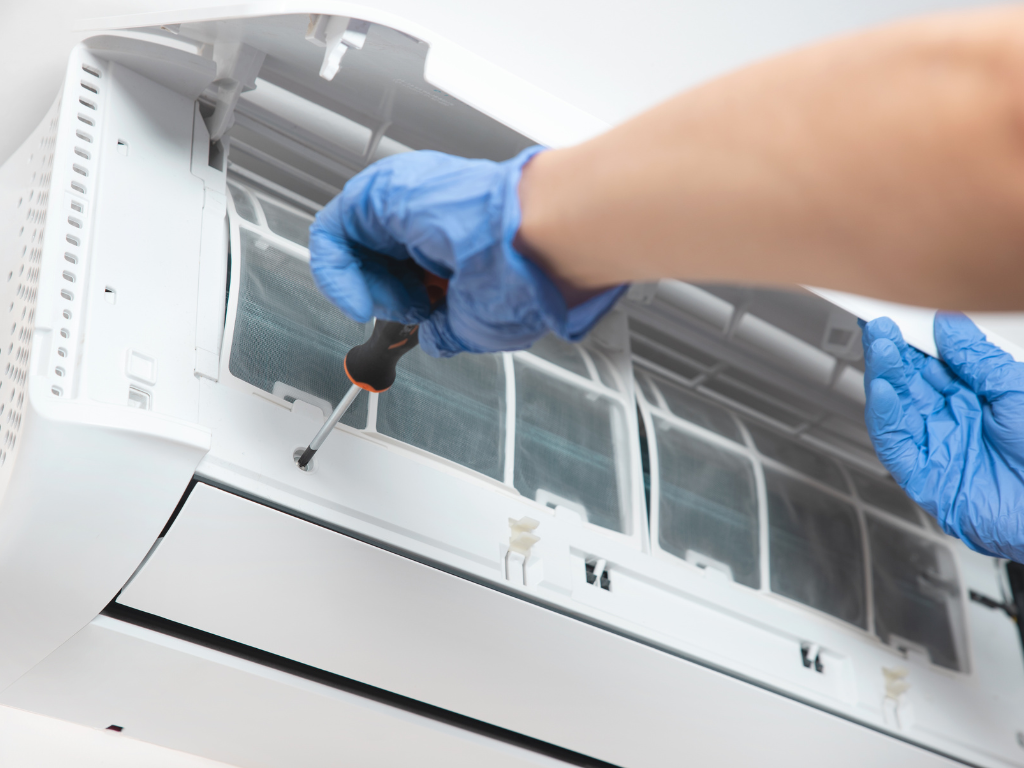
Chemical wash vs general servicing, what each one actually fixes
What general servicing is good at
General servicing works well when the aircon is overdue for maintenance but not heavily contaminated inside. It is usually the right choice for:
- dusty filters reducing airflow
- mild dirt on the accessible coil surface
- early drainage blockage
- slightly weaker cooling linked to poor maintenance
- routine upkeep for homes and small offices
This is why homeowners on a sensible maintenance cycle can usually stay on normal servicing without jumping too quickly into deeper work. If you are comparing price and service scope, SACES’ general aircon servicing pricing guide is useful because it explains how servicing cost changes by unit count, system type, access, and cleaning depth.
What chemical wash is better at
Chemical wash becomes the better option when the problem is no longer surface dirt. It is built for cases where internal coil buildup, wet sludge, or grime around the blower and drain pan is already affecting how the unit performs.
A chemical wash Singapore job is more suitable when you are seeing:
- musty or stale odour during operation
- weak airflow that does not recover after filter cleaning
- poor cooling after recent servicing
- recurring water leakage from a clogged indoor unit
- dirt buildup severe enough to disturb blower balance or internal drainage
These are not cosmetic issues. They point to a unit that is struggling to exchange heat or clear condensate properly. SACES’ blog content ties poor cooling, weak airflow, funny smell, and water dripping to the same family of indoor unit problems in Singapore’s humid operating conditions.
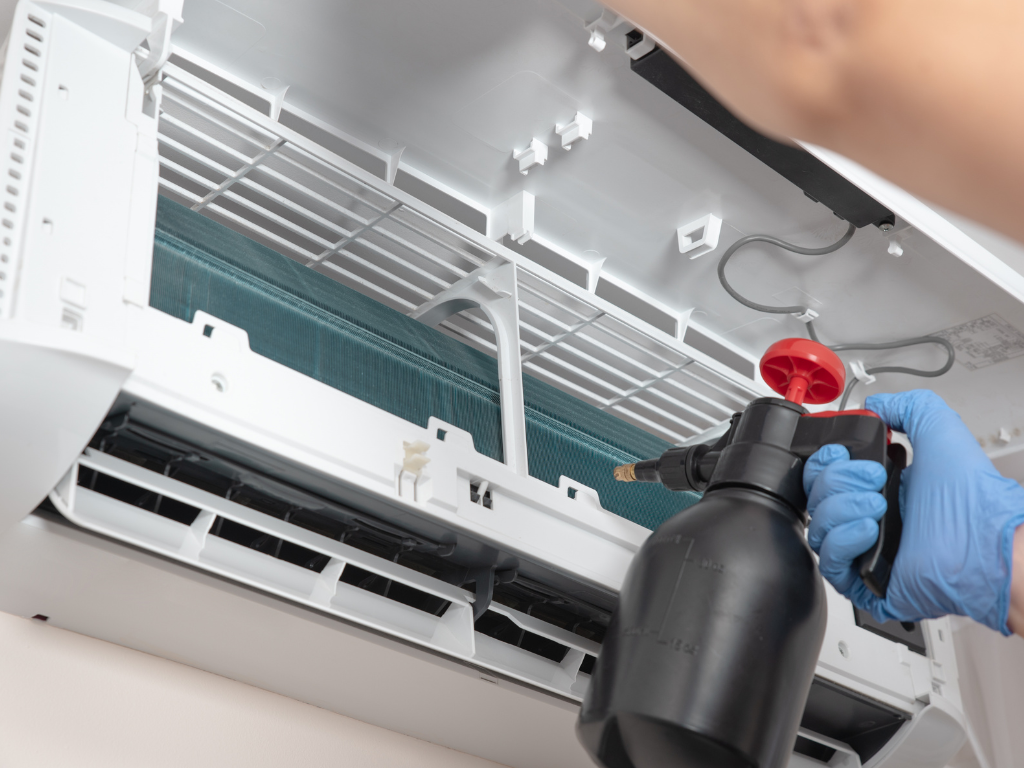
Aircon servicing or chemical wash: how do you choose?
Start with the symptom, not the package name
Homeowners often ask for “chemical wash” because the aircon smells bad or “servicing” because cooling is weak. That is the wrong way to decide. You do not choose by label. You choose by condition.
A cleaner decision path looks like this:
Choose general servicing when:
- the unit is due for routine maintenance
- filters are visibly dusty
- cooling has dropped only slightly
- there is no repeated leakage
- the smell is mild and recent
Choose chemical wash when:
- the same smell keeps returning
- airflow is clearly weak even after servicing
- cooling improves briefly, then drops again
- leakage keeps coming back
- the indoor unit shows signs of deeper choke
That is the real difference between chemical wash and servicing. One is preventive maintenance. The other is corrective deep cleaning.
If the same problem returns quickly, general servicing is not enough
This is the turning point most customers miss. A unit that feels better for a few days after normal servicing, then goes back to weak airflow or odour, is usually telling you the service depth was too shallow. The surface dirt was removed, but the internal contamination remained.
SACES’ service structure supports that logic. General servicing is listed as external cleaning and checks. Chemical wash is separated because it addresses a different level of dirt load and performance drop. When symptoms keep returning, repeating the same light service usually wastes money.
Why smell, weak airflow, and poor cooling usually point to different service depths
Smell is often an indoor unit hygiene problem
A recurring musty smell usually comes from damp buildup inside the evaporator area, drain pan, or blower. In Singapore’s climate, moisture is part of daily aircon operation, so once dirt and biofilm collect on wet internal surfaces, smell becomes hard to solve with filter washing alone. NEA’s updated indoor air quality guidance stresses the role of proper operation and maintenance of air-conditioning and mechanical ventilation systems in maintaining a healthy indoor environment. EPA guidance on mould also notes that moisture problems support mould growth indoors.
That is why a unit with recurring odour often needs more than routine maintenance. If the smell returns after a normal service, chemical wash is usually the more rational next step.
Weak airflow usually means restriction somewhere in the indoor path
Weak airflow often starts with clogged filters. That is the easy case. Servicing fixes it. If airflow stays weak after filters and accessible surfaces are cleaned, the restriction is often deeper: dirty coil fins, blower buildup, or internal contamination reducing air movement through the fan coil unit.
SACES’ servicing blog connects blocked airflow with poor cooling and higher strain on the system, and its chemical wash scope is positioned around restoring airflow and cooling performance. That distinction is practical, not theoretical.
Poor cooling can be a cleaning problem, or a repair problem
Poor cooling is where many homeowners get sold the wrong service. Sometimes the answer is chemical wash. Sometimes it is not. If cooling loss is caused by restricted airflow from dirty internal components, deeper cleaning can restore heat exchange. If the root cause is refrigerant leakage, sensor faults, compressor issues, or condenser problems, cleaning alone will not solve it.
SACES makes that separation clearly on its services page under Troubleshooting & Repair, which includes water leakage, not cold or low gas, noisy units, electrical or PCB issues, sensor faults, and compressor or condenser problems. Their blog also states that gas top up should follow pressure checks rather than guesswork. If your symptom is mainly “not cold,” this aircon not cold troubleshooting guide helps frame when the problem sits in cleaning and when it sits in diagnosis.
When general servicing is not enough
1. The unit keeps leaking
Repeated leakage usually means more than a simple dusty filter issue. The drainage path may be deeper choked, the drain pan area may be dirty, or the internal buildup around the coil and blower may be affecting condensate flow. If leakage keeps coming back after a normal service, deeper cleaning becomes a realistic next step. SACES even places chemical overhaul, not general servicing, as the solution for heavily choked or leaking units.
2. Cooling drops again soon after service
When a unit feels colder right after servicing but loses performance fast, the usual explanation is incomplete cleaning depth or a separate underlying fault. If the technician already ruled out refrigerant and electrical faults, chemical wash becomes the logical next step because the accessible clean was not enough to restore sustained airflow and coil efficiency.
3. The smell keeps returning
A one-time smell after long inactivity can sometimes clear with routine service. A smell that returns again and again usually does not. That pattern points to contamination inside wet internal components. The EPA guide on mold, moisture, and your home explains that indoor mold problems are tied to moisture and that controlling moisture is central to preventing mold growth.
For homes where bedrooms or living rooms run aircon daily, recurring odour is one of the clearest signs that routine maintenance is no longer solving the actual problem. The CDC’s guidance on mold prevention in homes also notes that keeping humidity low and maintaining airflow are part of preventing indoor mold growth.
A practical comparison for Singapore homes
| Situation | General Servicing | Chemical Wash |
| Routine maintenance for a working unit | Suitable | Usually unnecessary |
| Dusty filters and mild cooling drop | Suitable | Not first choice |
| Recurring musty smell | Often temporary relief only | More suitable |
| Weak airflow after servicing | Usually not enough | More suitable |
| Repeated indoor leakage | May help only if blockage is minor | Often the better fit |
| Heavily choked or severely leaking unit | Not enough | May still need chemical overhaul |
This comparison matches how SACES structures its own service stack: general servicing for routine maintenance, chemical wash for deeper cleaning and improved airflow, chemical overhaul for the worst contamination and leak cases.
Where SACES fits in this decision
SACES is not just selling a cleaning menu. The company positions itself as a Singapore air-conditioning and electrical contractor handling residential and small commercial systems, including servicing, chemical wash, repair, troubleshooting, installation, and replacement. The live site also states the business has over 30 years of experience and focuses on residential and small office realities across Singapore. That matters because the right call is not always “do a chemical wash.” The right call is accurate diagnosis first, then the right service depth.
If your concern is maintenance planning rather than a current symptom, the one-off vs contract servicing comparison is also relevant. For homes with regular use, keeping the system on schedule reduces the odds of reaching the chemical-wash stage too early.
Conclusion
General servicing is the right choice for routine maintenance and early dirt buildup. Chemical wash is the better choice when smell, weak airflow, or poor cooling keep coming back because the contamination is deeper inside the indoor unit.
If your aircon is showing recurring symptoms, book the right service or contact SACES and get the unit assessed properly before paying for the wrong service again.
FAQs About Chemical Wash vs General Servicing Aircon Singapore
What is the difference between chemical wash and general servicing for aircon?
General servicing cleans filters, accessible coil surfaces, drainage, and the condenser as routine maintenance. Chemical wash is deeper cleaning for the indoor unit when buildup inside the coil, blower, or drain pan is already affecting airflow, smell, or cooling.
Should I choose aircon servicing or chemical wash for smell?
If the smell is mild and the unit is overdue for maintenance, general servicing may be enough. If the odour returns after servicing, the indoor unit usually needs deeper cleaning, which makes chemical wash the better option.
When is general servicing not enough?
General servicing is usually not enough when the same aircon keeps leaking, airflow stays weak after cleaning, or cooling improves only briefly. Those patterns point to deeper contamination or a repair issue that needs more than routine maintenance.
Can chemical wash fix poor cooling?
Yes, if poor cooling is caused by dirty coil buildup or airflow restriction inside the fan coil unit. No, if the root cause is refrigerant leakage, sensor faults, PCB issues, or compressor problems.
Is chemical wash the same as chemical overhaul?
No. On the SACES services page, chemical wash is deep cleaning for improved airflow and cooling performance, while chemical overhaul is a dismantling service for heavily choked or leaking units.