
If you are searching for signs aircon needs chemical wash Singapore, you are usually trying to figure out whether your aircon just needs routine cleaning or something deeper. This blog will walk you through the warning signs that matter, what they usually mean inside the indoor unit, and when normal servicing is no longer enough.
For most homes, the right starting point is to understand what sits under SACES’ aircon services in Singapore. On the live services page, SACES separates general servicing from chemical wash and chemical overhaul. General servicing covers filter cleaning, indoor coil brushing, drain pan and drain line vacuuming, outdoor condenser cleaning, and performance checks. Chemical wash is the deeper non-dismantle clean for improved airflow and cooling performance. Chemical overhaul is the dismantling option for heavily choked or leaking units.
What does it mean when an aircon “needs” a chemical wash?
An aircon chemical wash is not a routine service for every unit. It is usually needed when dirt, sludge, mould film, and wet residue have built up inside the indoor unit to the point where airflow, drainage, or heat exchange is being affected. In practice, this usually shows up as recurring symptoms, not a one-time minor drop in performance. The unit still runs, but it no longer behaves like a healthy system.
Inside a wall-mounted split unit, the parts that usually matter most are the evaporator coil, blower wheel, drain pan, and drainage path. When those components are coated or partially choked, the aircon can still switch on and produce cool air, but cooling slows, airflow weakens, water may stop draining properly, and odour starts forming around damp surfaces. That pattern is exactly why many homeowners describe the unit as “working, but not right.”
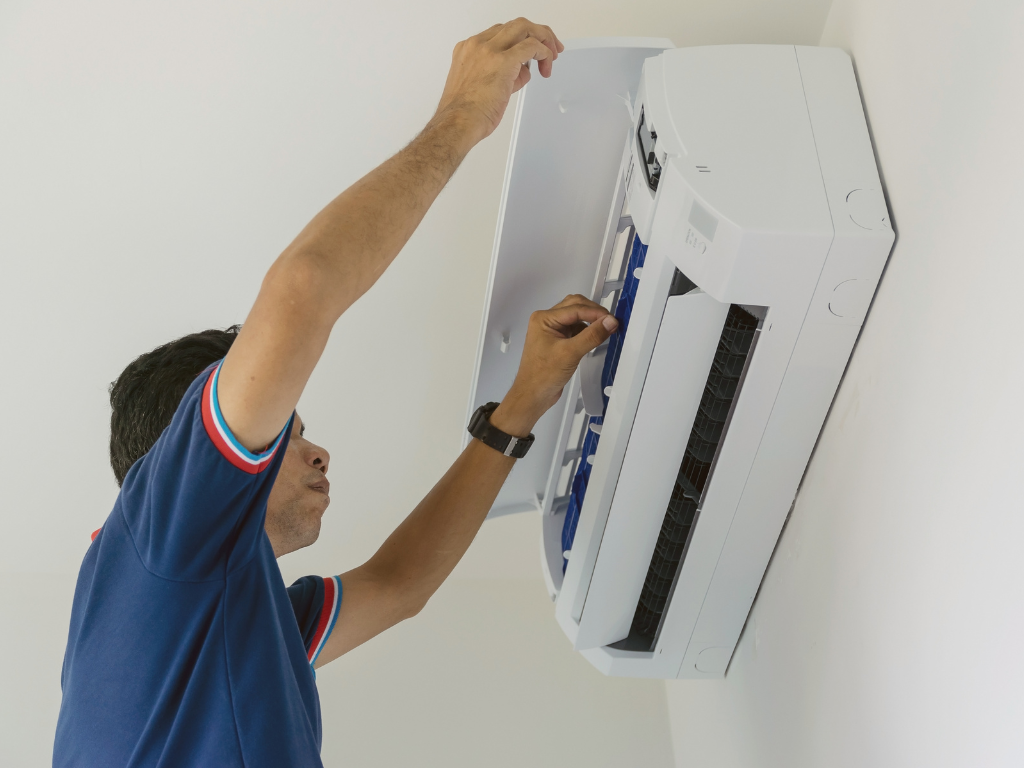
1. The aircon smells musty every time you turn it on
A musty smell is one of the clearest signs of internal contamination. The smell usually does not come from the front cover itself. It tends to come from damp buildup inside the evaporator section, blower area, or drain pan, where moisture and dirt stay trapped during normal operation. In Singapore’s humid climate, that buildup forms more easily because the indoor coil stays wet whenever the aircon is running for long periods.
Singapore’s updated guidance on ventilation and indoor air quality specifically stresses the proper operation and maintenance of air-conditioning and mechanical ventilation systems to maintain a healthy indoor environment. The EPA also notes that mould can grow on wet indoor surfaces and can cause irritation to the eyes, skin, nose, throat, and lungs. A persistent aircon smell is not something to normalize just because the unit is old.
If the smell disappears briefly after a normal service and then returns, that is a strong clue that filter cleaning was never the full solution. The contamination source is deeper inside the indoor unit. In that case, a chemical wash is often the more rational next step than repeating another light service. For homeowners also comparing whether the issue could be part of a broader cooling problem, the SACES aircon not cold troubleshooting guide is relevant because smell, weak airflow, and poor cooling often appear together.
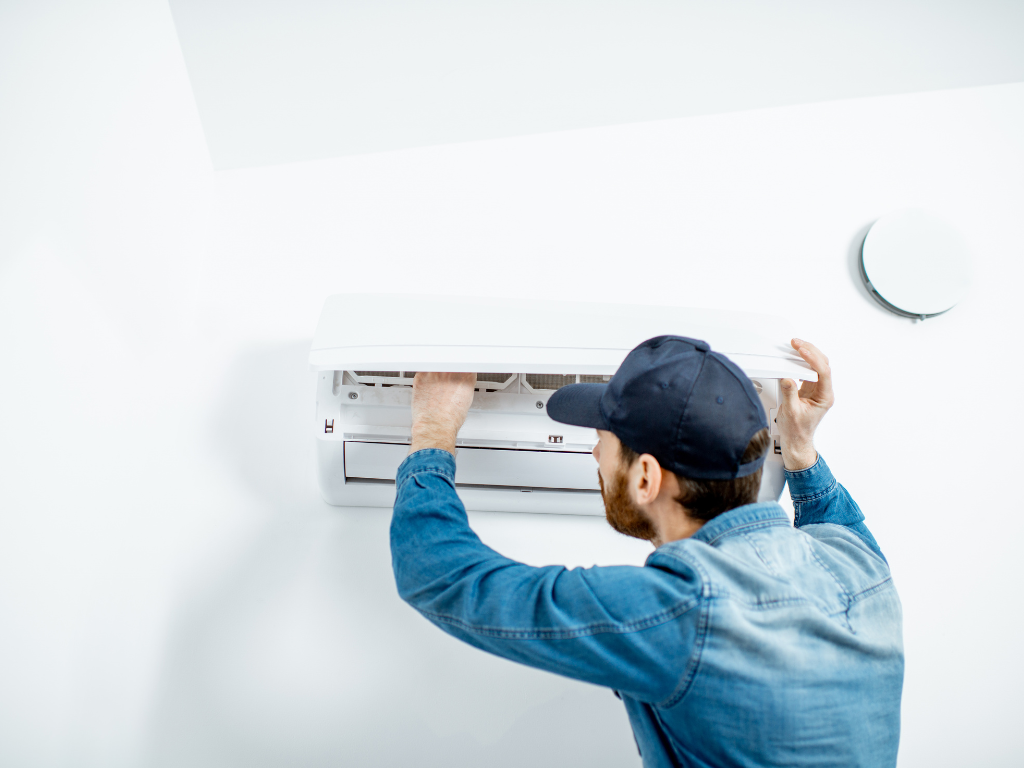
2. Airflow feels weak even after cleaning the filters
Weak airflow often gets blamed on dusty filters, and sometimes that is correct. If the filters are blocked, routine servicing can restore normal air delivery quickly. The problem changes when airflow stays weak after the filters have already been cleaned. At that point, the restriction is often deeper inside the system, usually at the evaporator coil or blower wheel, where compacted dirt reduces air movement through the fan coil unit.
This is where the difference between general servicing and a chemical wash service starts to matter. General servicing is designed to manage normal dirt load. It is not the same thing as deep restoration of an indoor unit with internal fouling. When airflow remains poor after a standard clean, the unit may already be in the early stage of indoor unit choking.
ASHRAE notes in its consumer guidance that very low airflow can cause an evaporator coil to freeze, which worsens cooling and can damage the compressor if the problem continues. That is why weak airflow should not be treated as a cosmetic issue. It changes how the whole system runs.
3. The room takes too long to cool, even though the unit is still running
Poor cooling does not always mean gas top-up. That assumption leads to bad diagnoses and unnecessary spending. A dirty evaporator coil reduces heat exchange. The air coming out can still feel cool, but the room takes longer to reach temperature, the system runs longer, and the compressor works harder than it should. In real homes, this often feels like an aircon that has become “less effective” rather than fully broken.
This symptom becomes more suspicious when it appears together with weak airflow or smell. A unit that is not cold and also smells stale or blows weakly is often pointing to internal contamination, not just overdue servicing. That is one reason SACES separates chemical wash from routine servicing on the services page instead of treating everything as the same cleaning tier.
If the issue is mainly cooling loss, there is still an important distinction to make. Dirty coil buildup can justify deep cleaning. Refrigerant leakage, sensor faults, PCB faults, compressor issues, or condenser-side problems cannot be solved by cleaning alone. SACES lists those under troubleshooting and repair, which is the right separation from an engineering point of view.
4. Water starts dripping from the indoor unit
Water leakage is one of the most common reasons homeowners end up needing a deeper clean. A normal service can clear a basic choke in the drain line. It may not be enough when sludge has collected deeper inside the drain pan area or around the coil and blower housing, where condensate flow is being disrupted by internal buildup.
This is where “leaking aircon dirty coil” becomes more than a search term. It is a real service pattern in humid climates. Moisture is produced every time the unit dehumidifies the room. Once drainage becomes partially blocked, water starts backing up, dripping, or staining the wall. If the same leak keeps returning after standard servicing, the problem is probably deeper than a surface clean can fix.
SACES also makes an important distinction here. Its services page positions chemical overhaul as the dismantling solution for heavily choked or leaking units, while chemical wash sits below that as the deeper clean for units that have not yet reached the most severe stage. That difference matters because some leaking units need a chemical wash, while others are already beyond it.
5. The same problem returns soon after general servicing
This is one of the strongest practical signs. If a unit smells better for a few days after servicing and then smells bad again, or cools better for a week and then drops off again, the first service probably did not reach the true contamination source. The top layer was cleaned, but the internal buildup remained.
Homeowners often waste money at this stage by repeating the same low-depth service. That rarely works when service depth is the real issue. A second light cleaning does not fix a dirty blower wheel, sludge around the drain pan, or wet residue packed around the coil. At that point the practical question shifts from “should I service again” to “should I deep clean my aircon”, and a chemical wash is usually the answer.
This is also why recurring symptoms are a better decision trigger than age alone. An older unit is not automatically a chemical wash case. A newer unit that keeps leaking or smelling can need it sooner if usage is heavy and maintenance has been delayed. For maintenance planning, the SACES one-off aircon servicing vs contract comparison helps frame how regular servicing reduces the chance of reaching this stage too early.
6. The indoor unit looks clean outside but still performs badly
This is a common trap. A front cover can look tidy, the filters can look acceptable, and the unit can still be dirty where it matters. Internal performance depends on the condition of the evaporator coil, blower, drain pan, and drainage path. Those are not the areas homeowners can judge accurately by looking from the outside.
When a unit has poor airflow, recurring odour, and slow cooling despite a clean-looking exterior, the problem is usually not cosmetic. It is internal contamination. This is one reason the “aircon not cold needs deep cleaning” query shows up so often in real search behavior. People notice the symptom before they understand where the dirt is sitting.
Singapore’s indoor air quality guidance is useful here because it reinforces a basic operational truth: proper maintenance matters even when problems are not visible from the room side. Performance loss often starts inside the system long before the homeowner sees obvious dirt.
7. The unit has been heavily used and neglected for too long
Usage pattern matters. Bedrooms used every night, living rooms running for long evening blocks, and small offices operating daily all place a steady moisture and dust load on indoor units. Over time, even a structurally sound system can accumulate compacted residue that routine brushing no longer clears effectively.
SACES’ blog and service positioning both reflect this practical split between routine maintenance and deeper intervention. Residential units on a proper servicing cycle may stay within general servicing for a long time. Units that run hard for months without proper maintenance are stronger candidates for chemical wash because dirt has had time to compact and combine with moisture.
This is especially relevant for small commercial units. NEA’s guidance on indoor air quality in buildings also reinforces the importance of maintaining air-conditioning systems in regularly occupied spaces. For an office, poor cooling and stale odour are not just comfort issues. They affect the day-to-day environment of the people inside.
When chemical wash is not enough
A chemical wash is not a cure for every aircon complaint. If the root cause is refrigerant leakage, a faulty sensor, PCB failure, compressor trouble, or a condenser-side problem, cleaning alone will not solve it. SACES separates these under troubleshooting and repair, which is the correct service logic. Deep cleaning is for internal contamination. Repair is for faulty components and system defects.
That is why homeowners should be careful with contractors who jump straight from “not cold” to “top up gas.” Refrigerant does not simply disappear during normal operation. If the pressure is low, there is usually a leak or system fault that needs diagnosis. The right call starts with identifying whether the symptom comes from dirt, drainage, refrigerant, or electrical failure.
Why diagnosis matters more than package names
A chemical wash is not just a premium cleaning upsell. It is a decision about service depth. The contractor needs to identify whether the problem is weak airflow from coil buildup, recurring odour from mould film, blocked drainage causing leakage, or an entirely different mechanical or electrical issue. That requires actual troubleshooting, not a template recommendation.
SACES presents itself as a Singapore-based air-conditioning and electrical contractor serving residential and small commercial properties, with over 30 years of experience and certifications including bizSAFE STAR, ISO 45001, and SCAL registration shown on its company page. That operating context matters because the value of a chemical wash depends on getting the diagnosis right before the service begins.
Conclusion
The strongest signs usually come in clusters: musty smell, weak airflow, poor cooling, repeated leakage, and fast recurrence after a normal service. When those symptoms keep showing up, the problem is often deeper inside the indoor unit than routine cleaning can reach.
If your aircon keeps showing the same warning signs, book a chemical wash or contact SACES to get the unit assessed properly before paying for another temporary fix.
FAQs About Signs Aircon Needs Chemical Wash Singapore
What are the signs an aircon needs chemical wash in Singapore?
The main signs are recurring musty smell, weak airflow, poor cooling, repeated water leakage, and problems that come back soon after general servicing. For a wall-mounted split unit, these usually point to internal buildup around the evaporator coil, blower, or drain pan.
Can a dirty coil cause a leaking aircon?
Yes. A dirty evaporator area can disrupt condensate flow and contribute to blockage around the drain pan and drainage path. If leakage returns after standard servicing, the indoor unit may need deeper cleaning or, in severe cases, chemical overhaul.
Does aircon smell mean I need a chemical wash?
Not always. A mild smell after long inactivity may improve with routine servicing. If the odour keeps returning, especially with weak airflow or cooling loss, the indoor unit often needs a chemical wash because the contamination source is deeper inside.
Can chemical wash fix an aircon that is not cold?
It can when poor cooling is caused by dirty coil buildup or airflow restriction. It will not fix refrigerant leaks, sensor faults, PCB issues, or compressor problems. Those require troubleshooting and repair.
Is chemical wash the same as chemical overhaul?
No. On the SACES services page, chemical wash is a non-dismantle deep cleaning service. Chemical overhaul is a dismantling service used for heavily choked or leaking units in worse condition.