
If you are comparing chemical wash vs overhaul aircon singapore, you are usually trying to solve a unit that is leaking, badly choked, or no longer recovering with normal cleaning. This blog will walk you through the real difference, what each service is meant to fix, and how to tell which one fits your unit.
For most homes, the right place to start is SACES’ aircon services in Singapore. On the live services page, SACES separates Chemical Wash (Non-Dismantle) from Chemical Overhaul (Dismantle). Chemical wash is described as deep cleaning for improved airflow and cooling performance. Chemical overhaul is full dismantling and restoration for heavily choked or leaking units. That distinction is the whole decision point.
What is the difference between chemical wash and overhaul?
Chemical wash is deeper cleaning without full disassembly
An aircon chemical wash is meant for indoor units that have internal contamination but have not yet crossed into severe mechanical choking. The target areas are usually the evaporator coil, blower section, drain pan, and drainage path. Dirt, sludge, and mould film reduce airflow, trap odour, and interfere with condensate drainage. A deeper clean can restore cooling and airflow when the unit is still structurally manageable without full restoration.
On SACES’ own service framework, chemical cleaning sits above general servicing but below overhaul. The logic is practical. General servicing clears routine dirt. Chemical wash goes after deeper internal buildup. Overhaul is reserved for units that are heavily choked, repeatedly leaking, or too dirty internally for a non-dismantle approach to be enough.
Chemical overhaul is dismantling and restoration cleaning
An overhaul is not just a stronger wash. It is a restoration-level intervention. SACES labels it as a dismantle service for heavily choked or leaking units, which signals full disassembly of the indoor unit rather than a lighter deep-clean approach. When a unit has compacted sludge, severe drainage blockage, or internal contamination that affects multiple parts at once, dismantling gives access that chemical wash cannot match.
That is why the phrase “difference between chemical wash and overhaul” matters so much in real buying decisions. One service is for deep cleaning. The other is for full restoration of a unit that has gone past the easier recovery stage. Choosing wrongly usually means paying twice.
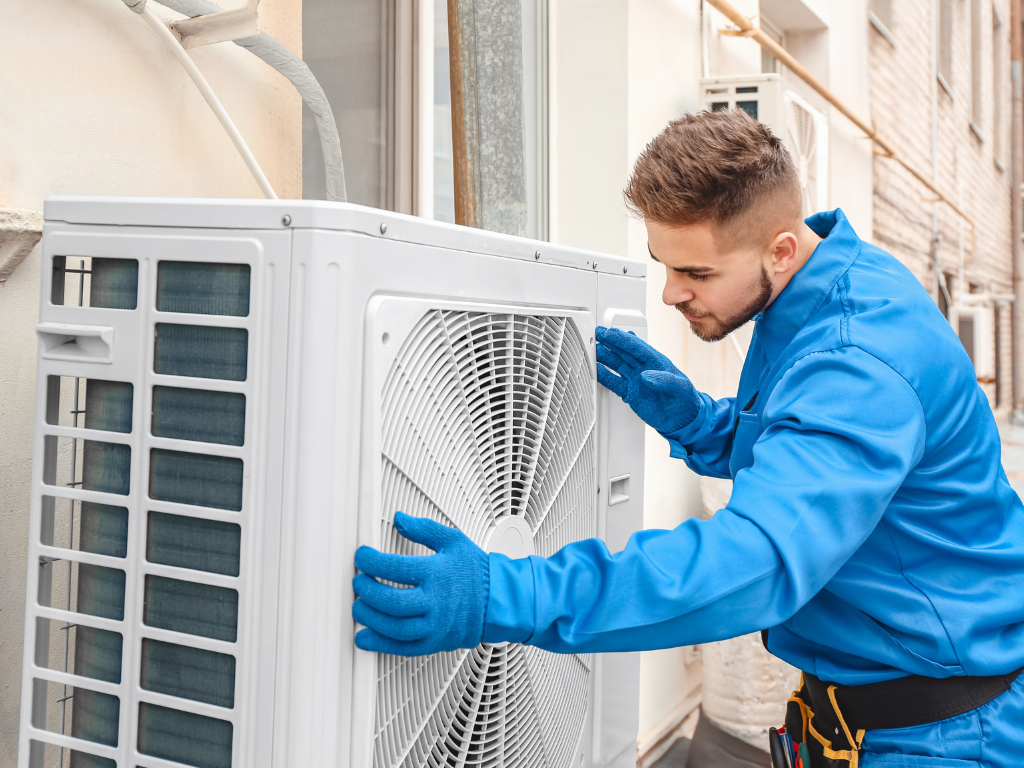
Why leaking and heavily choked units are the main comparison cases
Leakage is often the symptom that forces the decision
A leaking indoor unit is one of the most common triggers for this comparison. Minor drainage choke can sometimes be cleared by standard servicing. Repeated leakage is different. Once sludge and wet residue collect around the drain pan, coil area, or blower housing, condensate flow becomes unstable. Water backs up, drips, or stains the wall below the fan coil unit.
Singapore’s humid climate makes this more common than many homeowners expect. NEA’s guidance on improving ventilation and indoor air quality in buildings stresses the need for proper operation and maintenance of air-conditioning systems in occupied indoor spaces. High moisture load creates the conditions for dirt, mould, and drainage contamination to build faster inside aircon units.
Heavy choking changes the service threshold
A heavily choked unit is not just “dirty.” It is a unit where internal buildup has already started affecting multiple functions at once. Airflow weakens, cooling slows, smell forms around damp surfaces, and drainage becomes unreliable. In that state, the repair threshold changes. A chemical wash may improve one part of the problem, but it may not restore the unit fully if the contamination is severe and compacted.
This is where overhaul becomes the better fit. Once dismantling is required to access and restore the full internal assembly properly, choosing wash over overhaul becomes false economy.
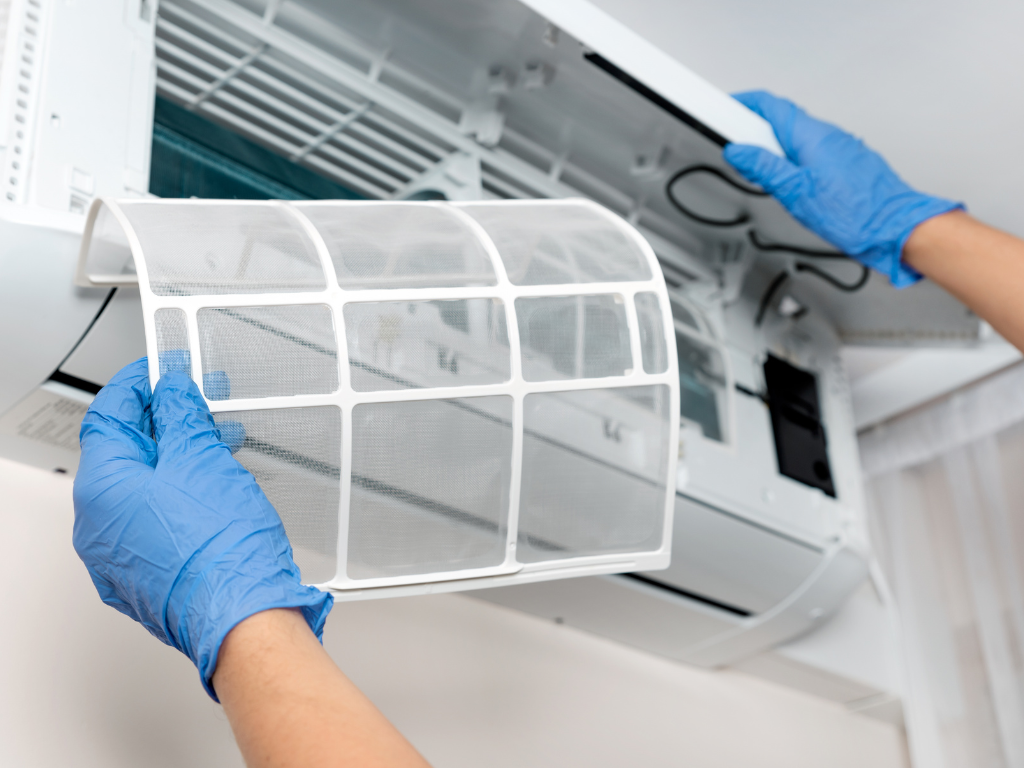
When chemical wash is the right choice
The unit has deeper contamination but is not at restoration stage
Chemical wash is usually the right fit when the indoor unit still responds like a salvageable deep-clean case. Typical signs include weak airflow, stale smell during startup, slower cooling, and leakage that points to internal dirt buildup rather than obvious structural failure. If the unit has not yet reached severe choke condition, a chemical wash can restore airflow and cooling without dismantling the entire system.
This is especially common when a homeowner delayed servicing for too long, but the unit has not been left to deteriorate over years. For units in this middle zone, general servicing price and cleaning depth is a useful supporting comparison because it shows where routine maintenance ends and deeper cleaning begins.
Cooling and airflow are the main complaints
ASHRAE’s consumer guidance notes that very low airflow can cause evaporator coil freezing, which worsens cooling and can harm the compressor if the condition continues. That matters here because many units needing chemical wash show a familiar pattern: they are still running, but airflow is weak, cooling takes too long, and performance drops after a short improvement from normal servicing.
If that is the pattern, chemical wash is often the cleaner answer than jumping to overhaul immediately. The unit needs deeper cleaning access, but not necessarily full restoration. Aircon not cold troubleshooting is relevant here because weak airflow, smell, and leaking often sit in the same problem cluster.
When to choose aircon overhaul
The unit is heavily choked or repeatedly leaking
SACES’ own services page makes this unusually clear: chemical overhaul is for heavily choked or leaking units. That wording matters because it gives a clean threshold. If the same unit keeps leaking after cleaning, or if internal contamination is already severe enough that normal access will not restore it properly, overhaul is the correct service class. SACES documents aircon overhaul Singapore alongside chemical wash on the same service page, since the two are the dismantle and non-dismantle versions of the same deep-clean intervention.
This is the stage where “leaking aircon overhaul or wash” becomes a real decision. If the leak is minor and the choke is moderate, wash may still fit. If the leak is recurring and the unit is already badly fouled inside, overhaul is the better option because dismantling gives the technician access to restore the full assembly, not just the easier-to-reach sections.
The unit has crossed the restoration cleaning threshold
You should think in terms of restoration threshold, not just dirt level. A unit reaches that threshold when internal contamination is no longer a simple cleaning problem. The coil condition is poor, the drainage path is unreliable, the blower area is loaded with residue, and performance issues are stacking together. At that point, partial cleaning rarely gives a lasting result.
This is why homeowners who repeat servicing or even wash on the same heavily fouled unit often feel like nothing “lasts.” The wrong service depth was chosen. One-off servicing vs contract maintenance helps explain why this tends to happen more often with units that were neglected for too long.
Chemical wash vs overhaul for a leaking aircon
Ask how severe the choke is, not just whether water is dripping
A leaking unit does not automatically need overhaul. The right question is whether the leakage comes from moderate internal contamination or from a heavily choked assembly that now needs full disassembly to restore. If water only recently started dripping and the unit still performs reasonably, wash may be enough. If leakage keeps returning and the unit also has poor cooling, smell, and weak airflow, the odds move toward overhaul.
That distinction matters because repeated leakage often reflects deeper drain pan and coil-area contamination. A light approach may clear the symptom briefly without solving the internal choke that caused it.
A leaking unit can also be a repair case, not a cleaning case
Not every leaking unit needs wash or overhaul. Some cases involve pipe slope issues, installation faults, or separate mechanical problems. SACES places water leakage under troubleshooting and repair as well, which is the right reminder that diagnosis comes first. Cleaning helps when contamination is the cause. It does not solve unrelated system faults.
When neither wash nor overhaul is the real answer
Mechanical and refrigerant faults need repair, not cleaning depth
A lot of “not cold” units get mis-sold as cleaning jobs. SACES separates troubleshooting and repair from chemical cleaning for a reason. If the problem is refrigerant loss, PCB issues, sensor faults, compressor trouble, or condenser-side failure, deeper cleaning will not solve it.
SACES’ servicing content also states that refrigerant gas does not get consumed under normal operation and that pressure checks should come before recommending refill. That is an important buying filter. If a contractor jumps from poor cooling straight to gas top-up without diagnosis, they may be missing the actual problem.
Diagnosis is more valuable than the package name
Homeowners often ask for a package by name when what they really need is fault identification. The decision is not “wash sounds cheaper” or “overhaul sounds more complete.” The decision is whether the unit’s condition fits non-dismantle deep cleaning, full disassembly and restoration, or repair. That is why contractor judgment matters more than menu labels.
SACES presents itself as a Singapore-based contractor for residential and small commercial systems, with over 30 years of experience, family-run operations, and a service scope covering servicing, chemical cleaning, repair, and installation. That operating context matters because leaking and heavily choked units are diagnosis-led jobs, not one-size-fits-all packages.
A practical comparison for Singapore homeowners
| Situation | Chemical Wash | Chemical Overhaul |
| Weak airflow, poor cooling, smell, moderate internal dirt | Usually suitable | Usually unnecessary |
| Unit still recovers somewhat after servicing | Often suitable | Not first choice |
| Repeated leakage with signs of deeper choking | Sometimes suitable | Often better fit |
| Heavily choked indoor unit | Usually not enough | Suitable |
| Full restoration needed after long neglect | Not ideal | Suitable |
| Mechanical or refrigerant fault | Not the real fix | Not the real fix |
This comparison follows SACES’ live service structure closely: wash for improved airflow and cooling performance, overhaul for heavily choked or leaking units, and repair for faults that cleaning cannot solve.
Conclusion
Chemical wash fits units that need deeper internal cleaning but have not crossed into full restoration territory. Overhaul fits leaking or heavily choked units where dismantling is needed to restore the indoor unit properly.
If your aircon keeps leaking, smells bad, or still performs poorly after normal cleaning, book a chemical wash or contact SACES and get the service depth diagnosed properly before paying for the wrong job.
FAQs About Chemical Wash vs Overhaul Aircon Singapore
What is the difference between chemical wash and overhaul for aircon?
Chemical wash is non-dismantle deep cleaning for better airflow and cooling. Chemical overhaul is dismantling and restoration for heavily choked or leaking units. SACES separates them this way on its live services page.
When should I choose aircon overhaul?
Choose overhaul when the unit is heavily choked, repeatedly leaking, or too contaminated internally for a wash to restore it properly. That is the threshold SACES uses in its service structure.
For a leaking aircon, should I do wash or overhaul?
It depends on severity. Moderate internal contamination may still fit chemical wash. Recurring leakage with deeper choking usually points to overhaul. A proper diagnosis should come before choosing either.
Can chemical wash fix a heavily choked unit?
Sometimes, but not reliably when contamination is severe. Once the unit has crossed into restoration territory, overhaul is usually the better fit because full disassembly gives access a wash cannot.
Can overhaul fix every not-cold problem?
No. If the root cause is refrigerant leakage, sensor failure, PCB faults, or compressor issues, the unit needs troubleshooting and repair, not just deeper cleaning.